Live Sports Broadcast: The Heartbeat of Digital Entertainment Culture
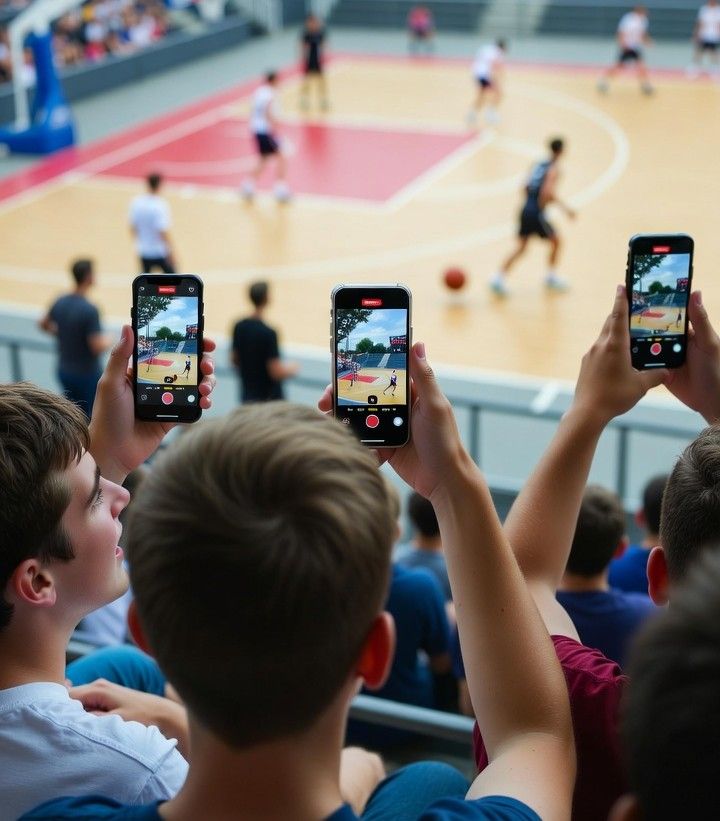
More than 30 million people tuned in to watch the 2024 UEFA Champions League Final live, a reminder that sports remain one of the most powerful shared experiences in modern entertainment. Whether it’s football, basketball, or esports, the act of watching together has become a cultural ritual that transcends borders.
From couch fans to global communities, the rise of Sports Broadcast (스포츠중계) has reshaped how audiences consume and share live events. Younger generations, in particular, treat broadcasts as more than just games. They are social gatherings, digital meetups, and cultural touchstones that spark conversation across platforms like TikTok, Instagram, and X.
Trends in Broadcast Consumption
Streaming platforms have changed the way fans access live sports. Traditional television still holds value, but mobile-first viewing dominates among younger audiences. Fans now expect flexibility, whether they are watching highlights on YouTube, live streams on Twitch, or full matches on subscription apps. This shift has created a hybrid model where live sports are both a scheduled event and an on-demand experience.
Social media amplifies this trend. A single highlight clip can generate millions of views within minutes, extending the reach of a broadcast far beyond its original audience. For younger fans, the broadcast is not just about watching the game but about participating in the digital conversation that surrounds it.
Fan Rituals Tied to Live Viewing
Despite the digital shift, rituals remain central to the live sports experience. Families gather around televisions, friends host watch parties, and communities organize public screenings. These traditions reinforce the idea that sports are best enjoyed together. Even in digital spaces, fans replicate these rituals by joining live chats, posting memes, and reacting in real time.
Esports has added a new dimension to these rituals. Fans tune in to watch professional gamers compete, often interacting directly with streamers during broadcasts. This level of engagement highlights how the definition of sports has expanded, yet the communal heartbeat remains the same.
How Technology Has Redefined Entertainment
Technology has transformed sports broadcasting into a multi-layered entertainment experience. Augmented reality graphics, instant replays, and interactive features keep audiences engaged. Younger viewers, accustomed to multitasking, often watch games while scrolling through social feeds or chatting with friends online. The broadcast is no longer a passive experience but an active, participatory one.
Broadcasters have embraced personalization. Algorithms recommend highlights tailored to individual preferences, while apps allow fans to follow specific players or teams. This customization ensures that sports remain relevant in a crowded entertainment landscape. At the same time, innovations like 5G streaming and virtual reality promise to make broadcasts even more immersive in the years ahead.
The Broader Entertainment Perspective
Sports broadcasts are unique because they combine unpredictability with shared emotion. Unlike scripted shows, the outcome is unknown, which heightens excitement. This unpredictability fuels conversation, memes, and debates that ripple across digital culture. For younger audiences, the broadcast is both entertainment and identity, a way to connect with peers and express fandom.
Even as entertainment options multiply, sports remain one of the few events that demand live attention. A concert can be streamed later, a movie can be watched on demand, but a game’s drama unfolds in real time. That urgency keeps sports at the center of digital entertainment culture.
READ MORE: How to Find Sportsbooks in the US That Offer Live Streaming
Conclusion
From living rooms to online communities, live sports broadcasts continue to unite audiences in ways few other media can. They blend tradition with technology, ritual with innovation, and local passion with global reach. As younger fans shape the future of entertainment, the role of Sports Broadcast will remain vital. It is the heartbeat of digital culture, reminding us that the thrill of the game is best when shared.