
The Psychology of Suspense: What Theater Can Teach Us About Games of ChanceThe Psychology of Suspense: What Theater Can Teach Us About Games of Chance
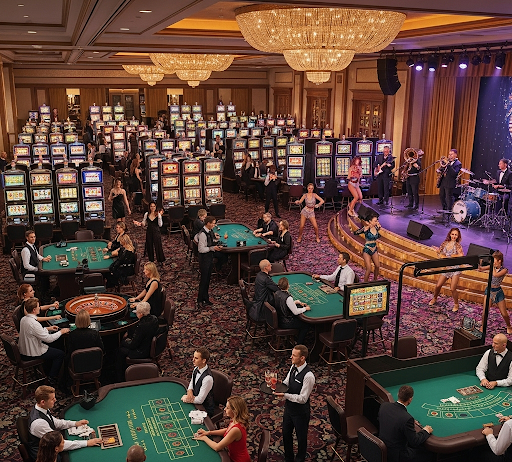
Theater and games of chance may seem like very different forms of entertainment, yet both can create anticipation, surprise, and emotional engagement. A stage performance builds suspense through dialogue, music, pacing, and character decisions. Games use uncertain outcomes and immediate feedback to create a different kind of excitement. Exploring these similarities reveals how entertainment captures attention.
How Suspense Works on Stage
Playwrights often give audiences partial information about a character’s intentions or an approaching conflict. Dramatic irony occurs when viewers know something that a character does not, while carefully timed revelations can change how an entire scene is understood.
Music, lighting, pauses, and changes in rhythm can increase tension. The audience becomes invested in what happens next, even when the final outcome remains unknown.
Uncertainty in Games
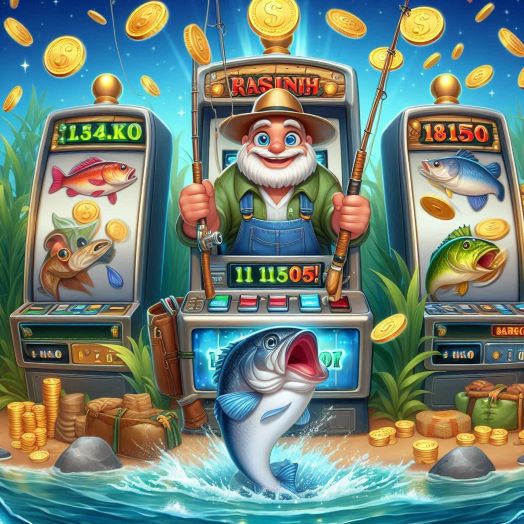
Games can create anticipation through unpredictable results, competition, and reward systems. A card draw, dice roll, or random digital event leaves participants waiting for information that will determine what happens next.
In gambling, this uncertainty also has a financial dimension. A player may receive a reward or lose the money placed at risk. Excitement can make it easy to overlook the distinction between a possible payout and a likely outcome.
Why Near-Misses Feel Important
In entertainment, a narrow escape or almost-successful attempt can be dramatically satisfying because it raises the stakes. In gambling environments, near-misses may also encourage continued play, even when the result is still a loss.
A near-miss does not mean a win is becoming more likely. Each outcome depends on the rules and mechanics of the particular game. Understanding this distinction helps people interpret the experience more realistically.
Designing Responsible Entertainment
Entertainment creators can provide clear information about costs, rules, and age restrictions. Audiences can also make thoughtful choices by setting time limits, taking breaks, and avoiding activities that create financial pressure.
Theater, cinema, music, and non-wagering games offer many ways to experience suspense without risking money. The enjoyment comes from the story, creativity, and shared experience rather than financial outcomes.
Conclusion
Suspense is a powerful feature of human entertainment. Theater demonstrates how uncertainty can deepen a story, while gambling illustrates why uncertainty involving money requires additional care. Understanding the difference helps audiences appreciate exciting experiences while making informed decisions about participation and spending.
 Both gaming and gambling can provide excitement, competition, and social interaction. However, the possibility of financial loss means gambling requires additional awareness.
 Online casinos are still luring players with a variety of games available to play nearly anywhere. It may be a reason for a sense of thrill in a person who enjoys the experience, but this is not the only aspect of fun.



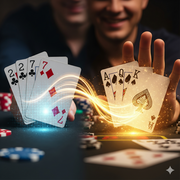 Because poker is played with insufficient information, bluffing works. Since your opponents can’t see your cards, you have more leeway to tell a tale with your betting patterns. You can fool people into thinking you have the upper hand when in fact you don’t with a good bluff.
 The betting landscape in esports is always changing. You can place bets on certain outcomes in-game, such as which team will score a certain number of kills first or which map will be the champion, using in-game betting. Unique challenges await the highly strategic bettor with exceptional bets.
 Fine dining requires a well-chosen wine list. Casino restaurants serve foreign wines and local specialties. Our trained sommeliers can help you choose the correct wine for your meal.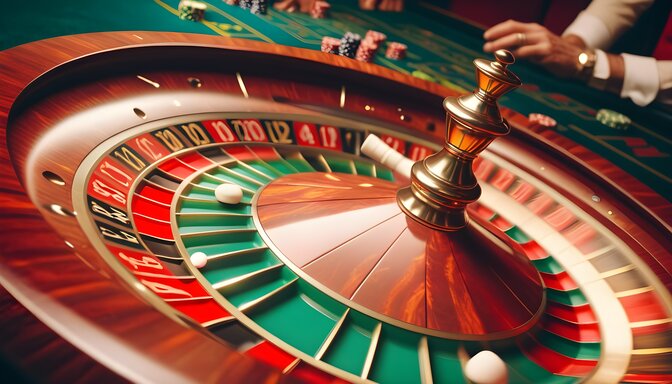

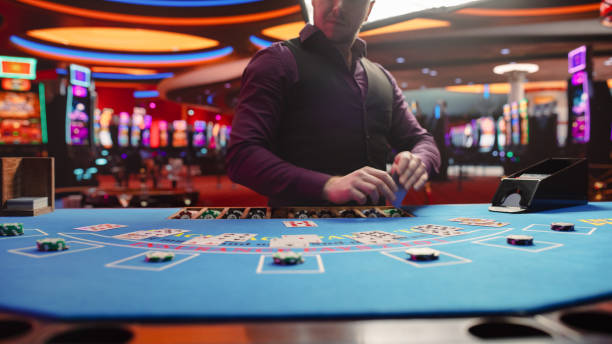


 Like any other activities, playing poker, again and again, may not give you the same enthusiasm as you play it the very first time. The thrill and anticipation would fade and become bored while playing it. However, it is very important to understand that feeling it that way is actually part of the norm. And there are ways that you can adopt in order to recover from it.

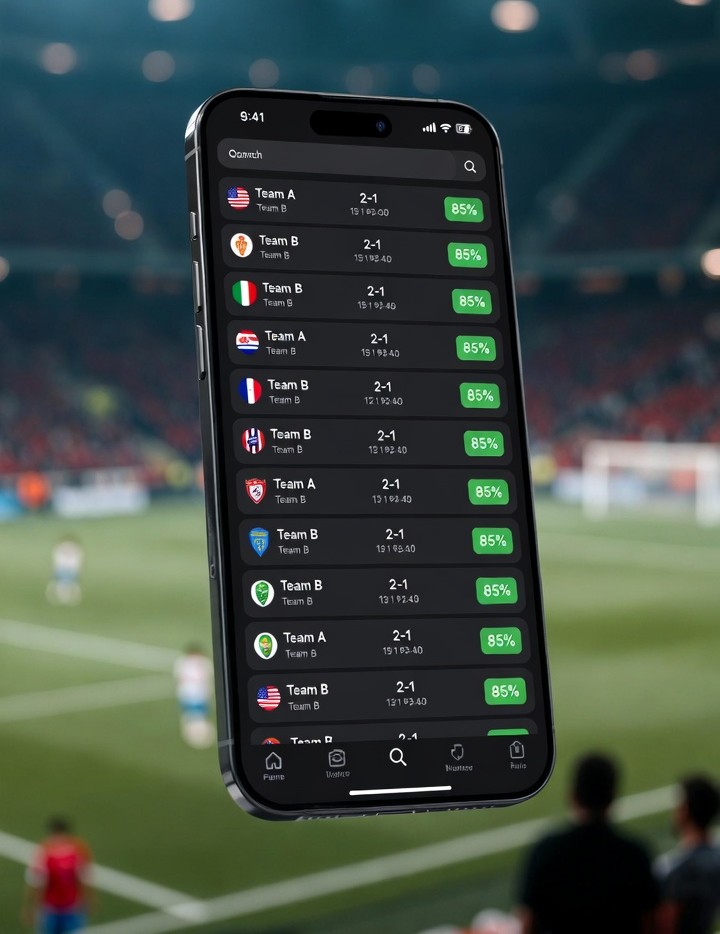



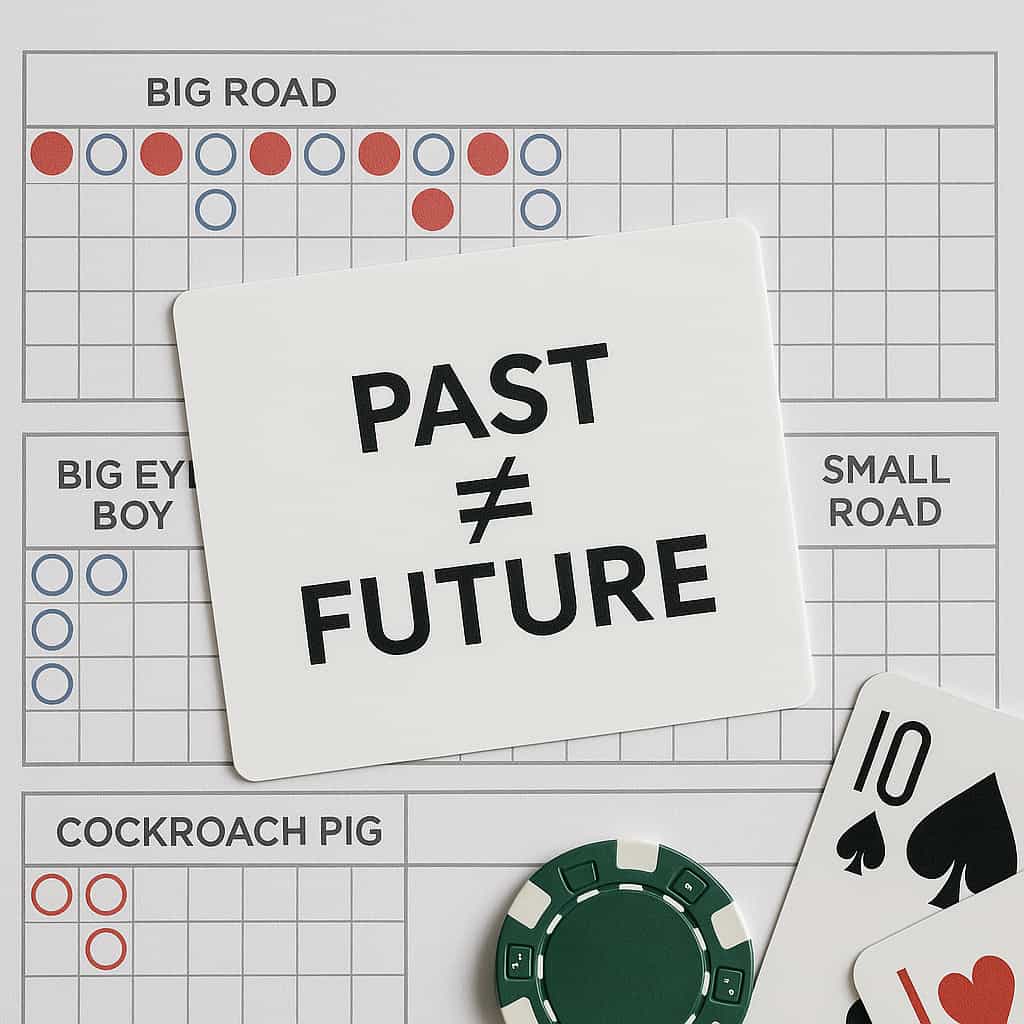
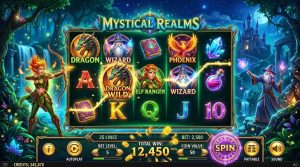
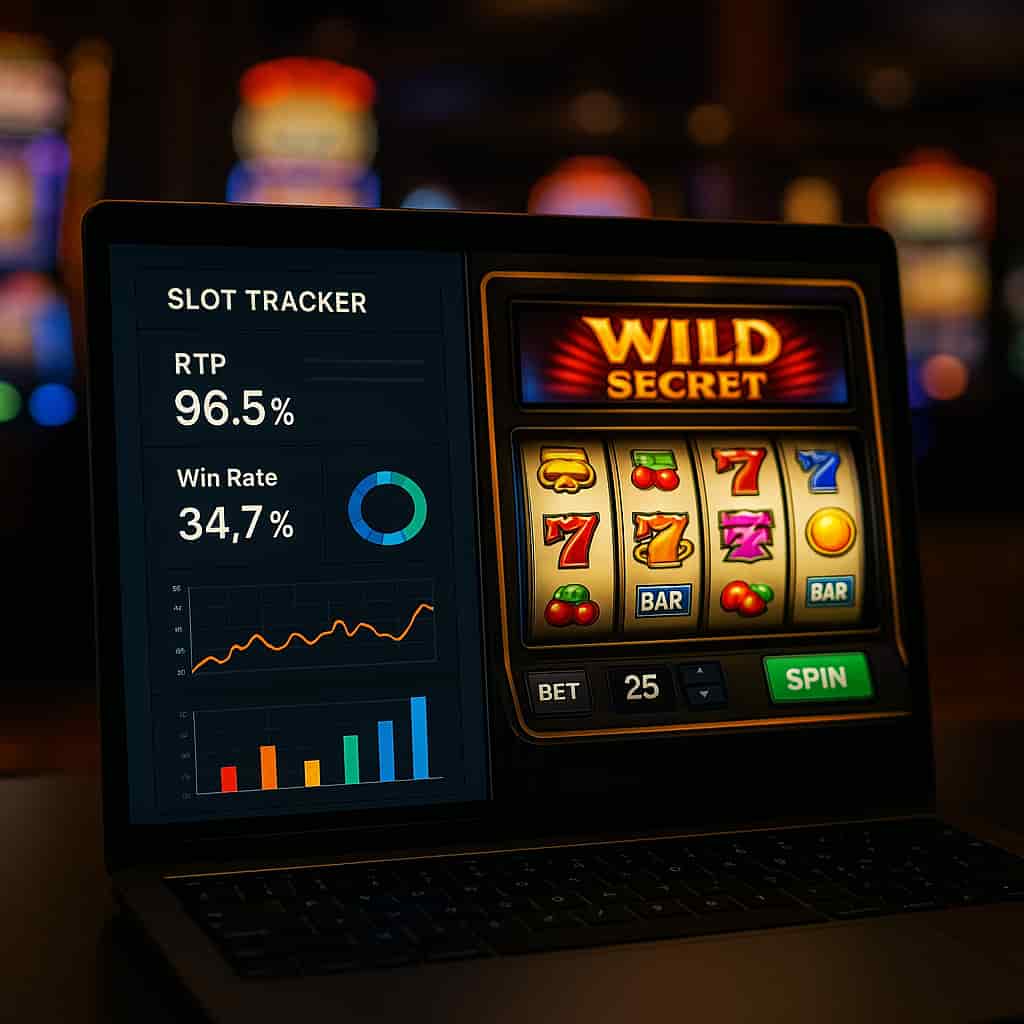 For decades, slot machines have been games of chance, full of flashing lights, spinning reels, and unpredictable outcomes. But lately, players are starting to treat them less like luck and more like data. Across online casinos and forums like 55five daftar, a new generation of gamblers is turning to trackers, databases, and community stats to gain insight into how different games behave. They’re not hacking the system, but they are changing how people think about it.